National Park Dupes: The Best Alternatives to Zion, Bryce, and the Grand Canyon
This guide is Part 2 of a two-part series created to help international visitors plan a 2026 trip to the Southwest without overspending. Part 1 broke down the 2026 National Park fee updates in simple terms: what changed, who it affects, how the $250 international pass works, and how to avoid paying $100 per person at each park.

Most visitors come to Southern Utah to visit our National Parks, including Zion, Bryce Canyon, and the Grand Canyon. But we’re here to let you in on a little secret: you don’t have to enter a single park gate to experience the same colors, formations, and canyon views. The public lands surrounding Kanab offer slot canyons just as narrow as the Narrows, hoodoos that match Bryce in both color and geology, and Grand Canyon overlooks that feel every bit as grand as the South and North Rims. These places are often easily accessible, always less crowded, and far more flexible for 2026 travelers who want to keep their trip affordable without sacrificing the landscapes that brought them here.
This guide highlights our favorite National Park dupes and details where you can find the same iconic experiences without paying high entrance fees. And when we say dupe, we don’t mean a lesser version. In the Southwest, these alternatives are every bit as stunning as the originals. These are the places we recommend when friends come to town and the trails we hike on our days off. And the best part—many of these dupes are dog-friendly, which is something you won’t find inside most National Parks. Whether you’re trying to save money, avoid the busy season, or keep your plans flexible, these swaps let you experience the same red rock drama on your own terms.
Zion National Park Dupes
Zion is famous for its variety. Steep climbs, narrow slot canyons, lush alcoves, and sweeping vistas all live within the same park boundary. That diversity is why so many travelers feel they have to visit Zion. What most people don’t realize is that each of Zion’s signature experiences exists outside the park, too. And in many cases, those alternatives give you more freedom and more space to explore.
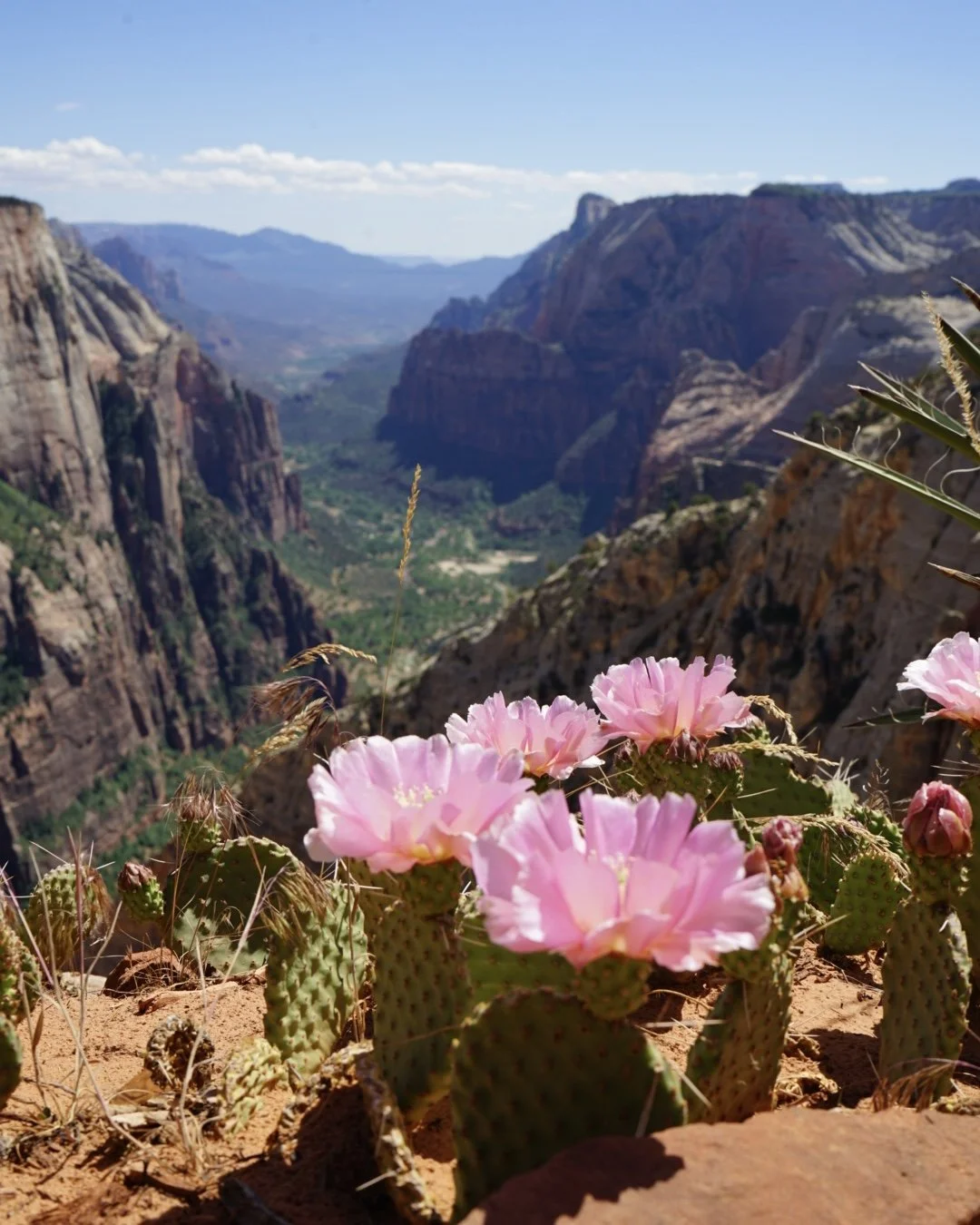
Instead of Angels Landing, hike to Observation Point
Angels Landing is iconic, but it’s also heavily permitted, crowded, and not for anyone uncomfortable with exposure. Observation Point offers the same postcard-worthy canyon view from a higher vantage, reached by a mellow forested hike. You’ll walk right onto the rim and look down at Angels Landing itself without white-knuckle chains or timed entry reservations.
Click here or the image below for map and details
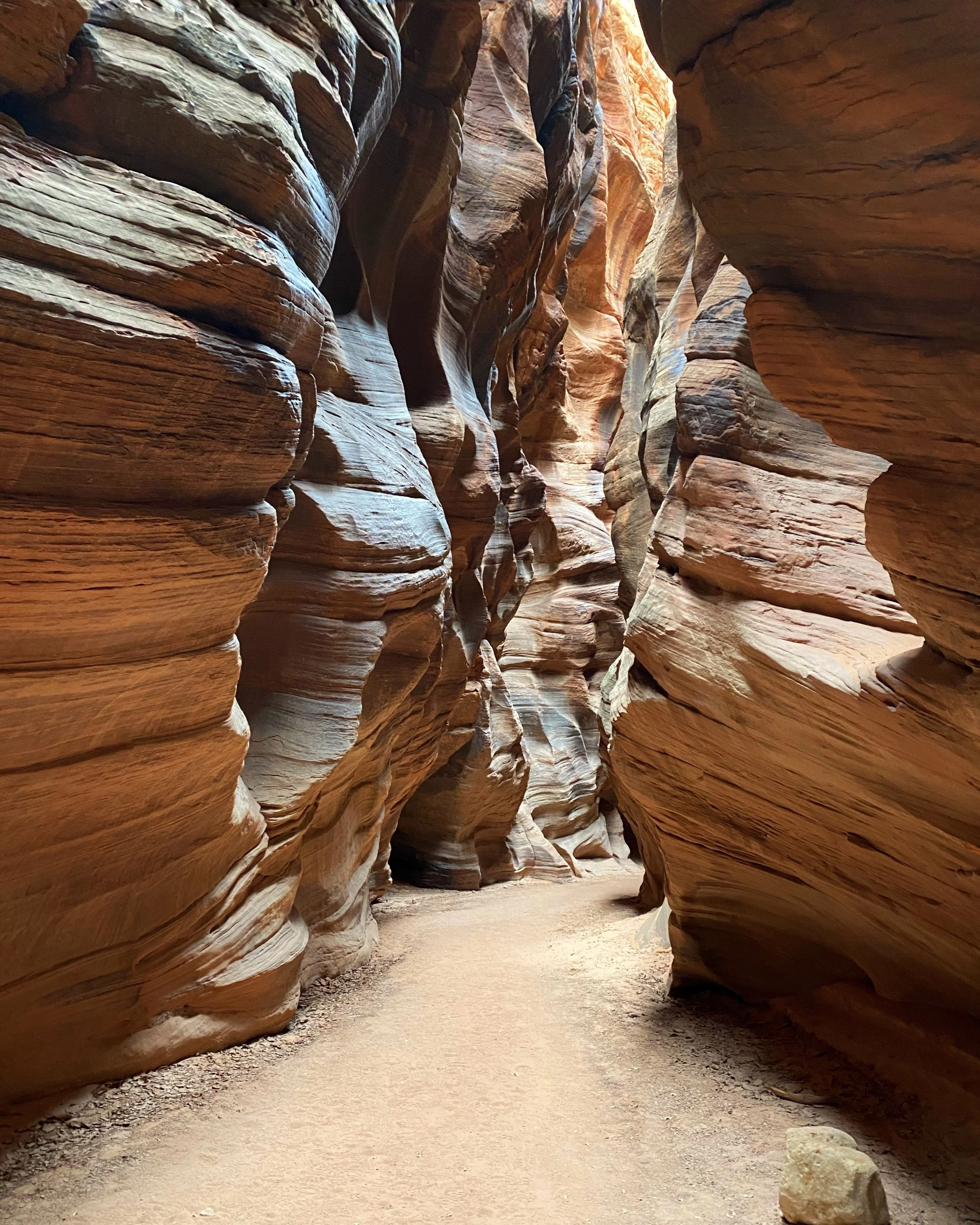
Instead of The Narrows, go to Wire Pass to Buckskin Gulch
The Narrows delivers drama because of its walls and water. Buckskin Gulch delivers that same feeling on a much bigger scale. Wire Pass leads you straight into one of the longest slot canyons in the world, where the walls tower above you and the light shifts all day. You get that classic narrow-corridor energy with more solitude, more wilderness, and far fewer wet shoes.
Click here or the image below for map and details
Instead of Weeping Rock or Emerald Pools, go to Cascade Falls Overlook
If you want the lush, hanging-garden moment Zion is known for, Cascade Falls is a perfect fit. A natural spring pours straight out of the cliffside, creating the same oasis tucked into sandstone experience without Zion’s crowds. From the overlook, you can see straight across the Zion landscape, making this an easy win for families and sunset seekers.
Click here or the image below for map and details
Instead of The Subway, go to Water Canyon
The Subway is beautiful but difficult to access and notoriously hard to permit. Water Canyon gives you the same sculpted sandstone, curved hallway shapes, and cool pools without the logistical headache. It’s a favorite for hikers and photographers who want the Zion canyoneering feel but prefer a route they can enjoy at their own pace.

Bryce Canyon National Park Dupes
Bryce is all about the hoodoos: the pink, orange, and red towers that make the amphitheater look otherworldly. The surprise for many visitors is that Bryce’s hoodoos don’t stop at the park boundary. The same rock layers continue throughout the region, which means there are identical formations that you can explore without the Bryce entrance fees.
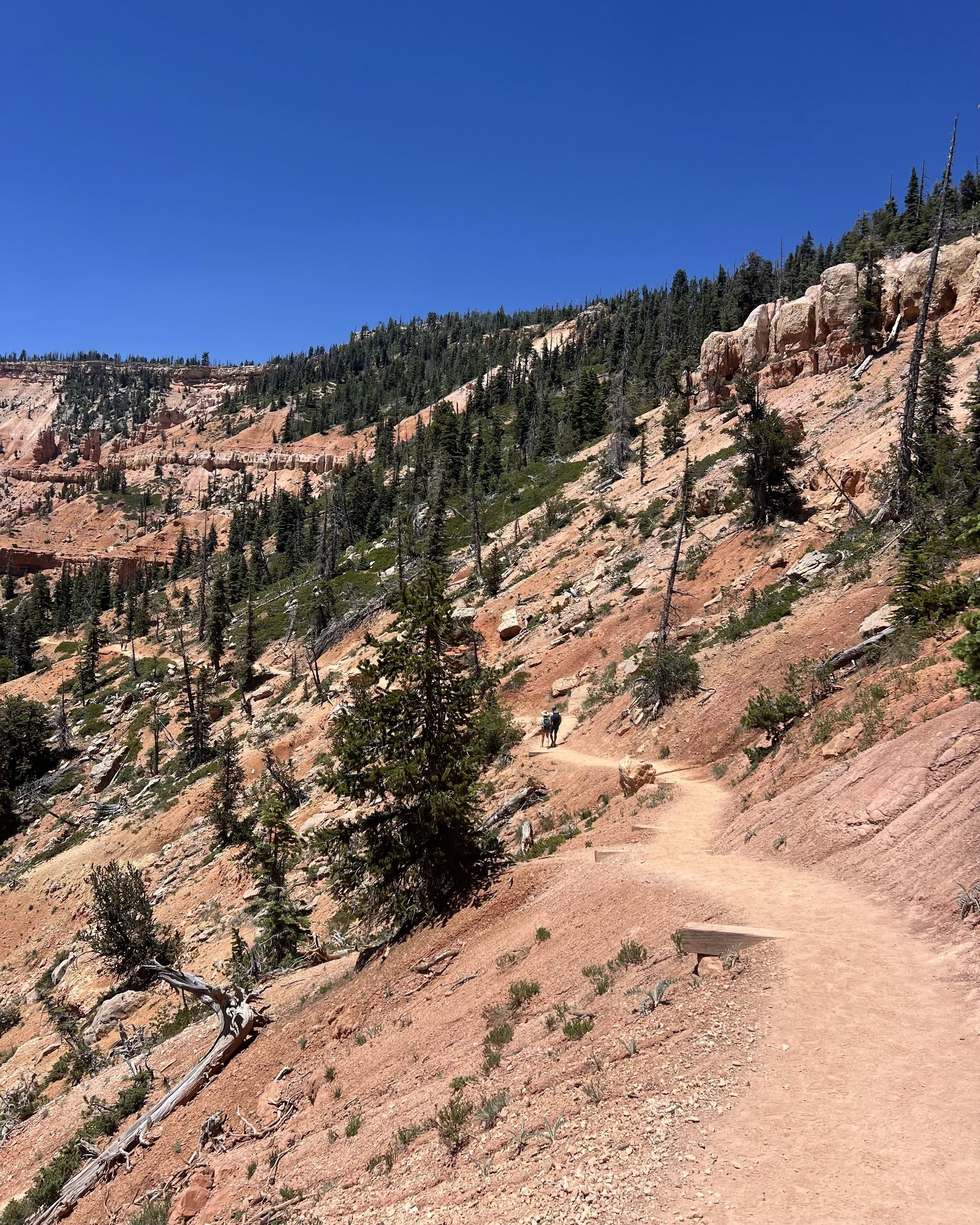
Spectra Point and Rampart Overlook in Cedar Breaks National Monument
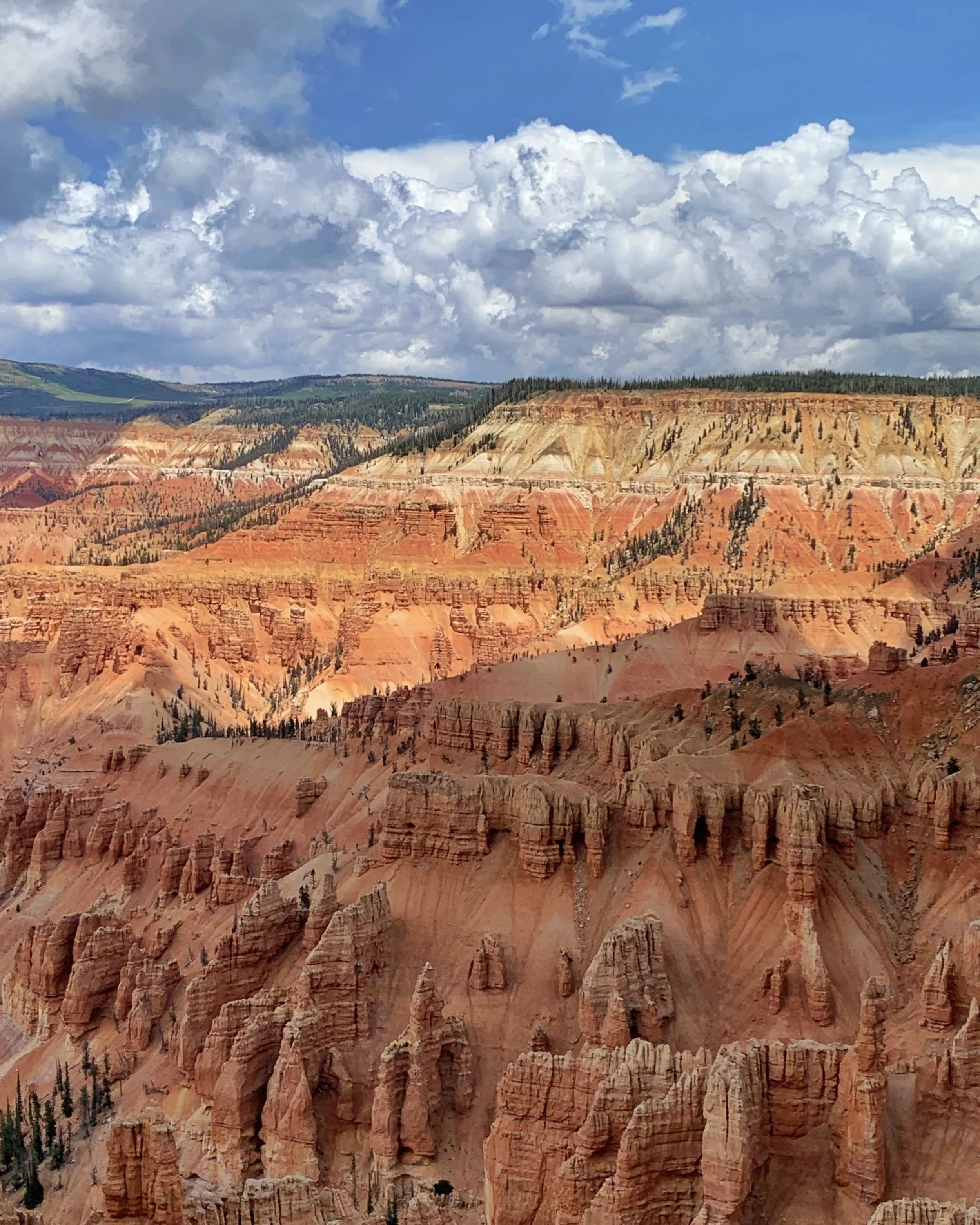
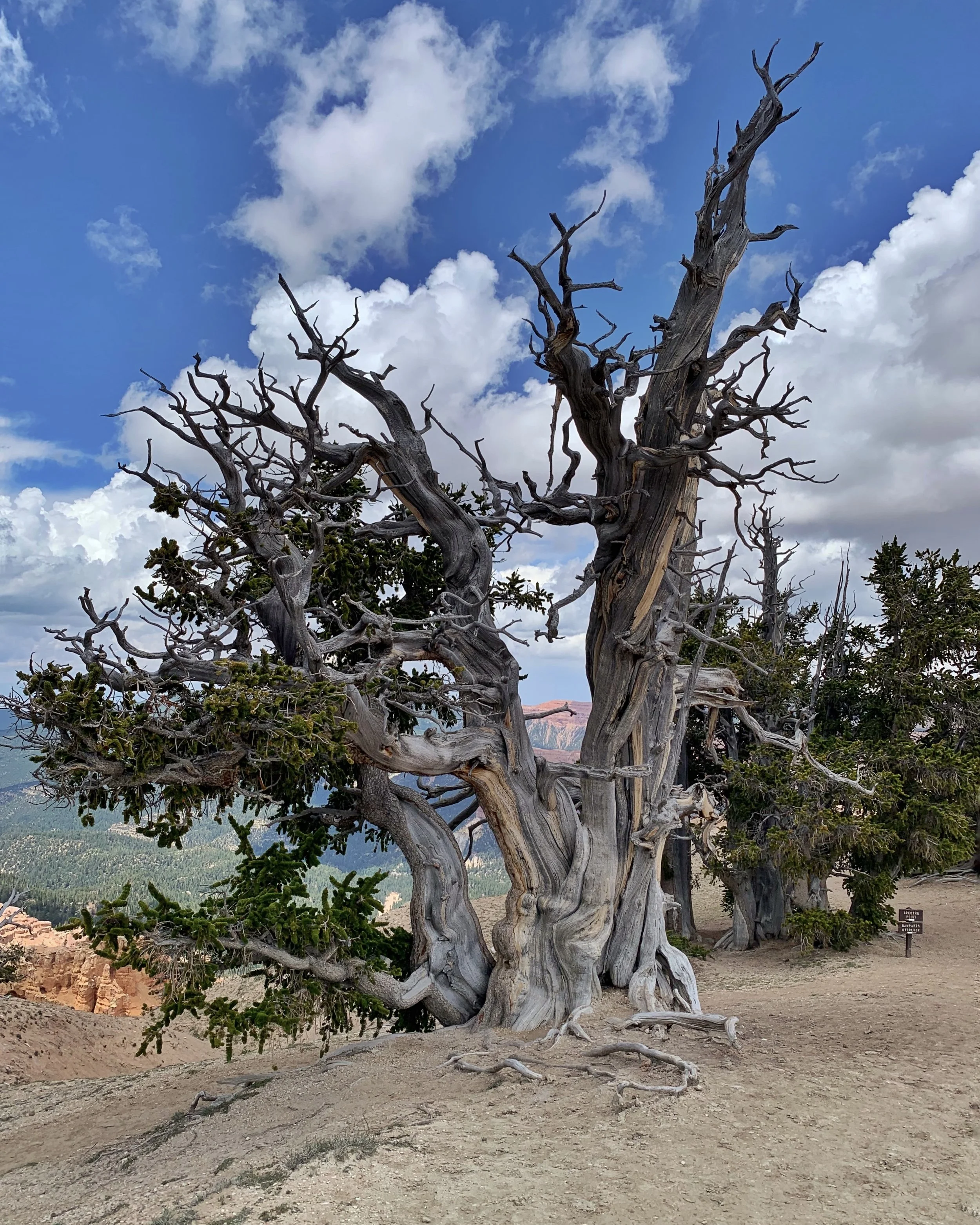
Cedar Breaks is Bryce’s geologic sibling. You’ll find the same colorful hoodoos, only set at 10,000 feet with alpine forests, big sky panoramas, and ancient bristlecone pines lining the rim. The Spectra Point and Rampart Overlook trails take you right to the edge for instant views that rival anything inside Bryce. It’s quieter, cooler in summer, and every bit as stunning.
Click here or the image below for map and details
Red Canyon in Dixie National Forest
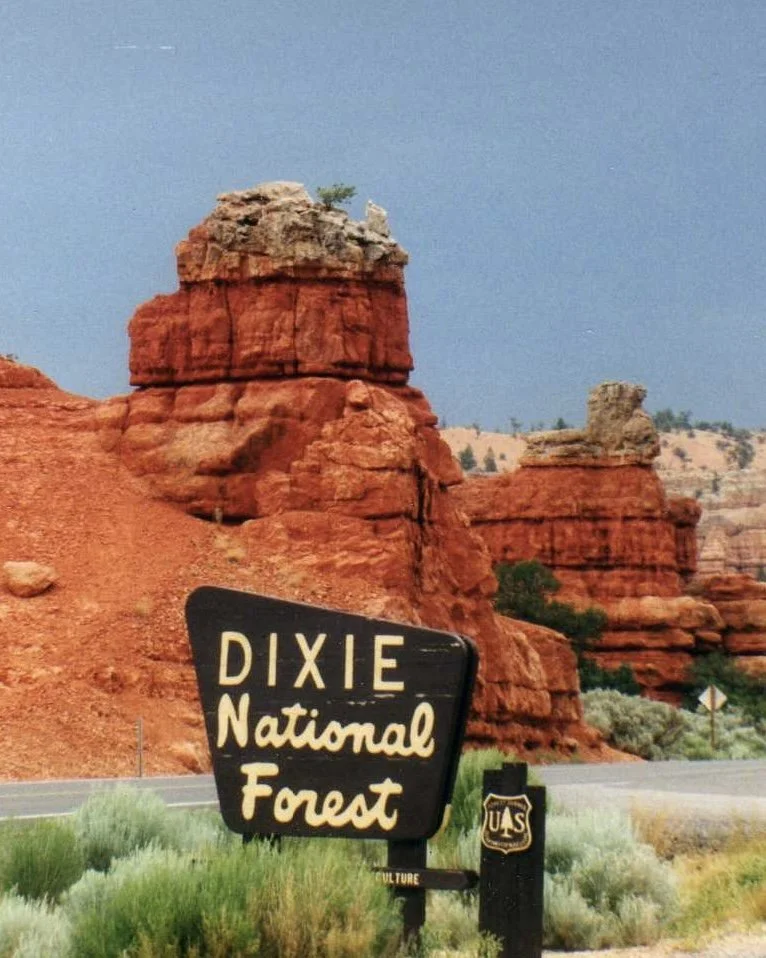
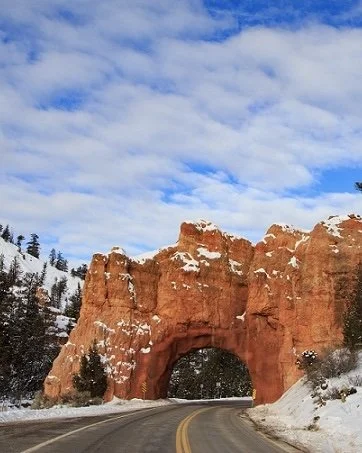
Red Canyon feels like an extension of Bryce as it greets you on your way to the park. Here, hoodoos rise right along the road, trailheads sit minutes from parking areas, and the scenery looks identical to Bryce’s amphitheater. Many travelers stop here on their way to or from Bryce and are shocked by how similar the formations are. It’s an easy win for travelers who want quick access to classic hoodoo landscapes.
Grand Canyon National Park Dupes
The Grand Canyon is immense, complex, and one-of-a-kind. So, we’ll be honest, we don’t really have any dupes for this park. But there are multiple places where you can experience that same scale, that same geology, and even the same river without ever hitting the main entrance. These swaps capture the depth, drama, and color of the Grand Canyon with far fewer people and far more flexibility.
Cathedral Wash in Glen Canyon National Recreation Area
This short slot canyon drops you right to the Colorado River, technically inside the Grand Canyon’s geological corridor but outside park gates. The hike mixes scrambles, narrow passages, and an unbeatable finale when you reach the river framed by towering canyon walls.
Click here or the image below for map and details
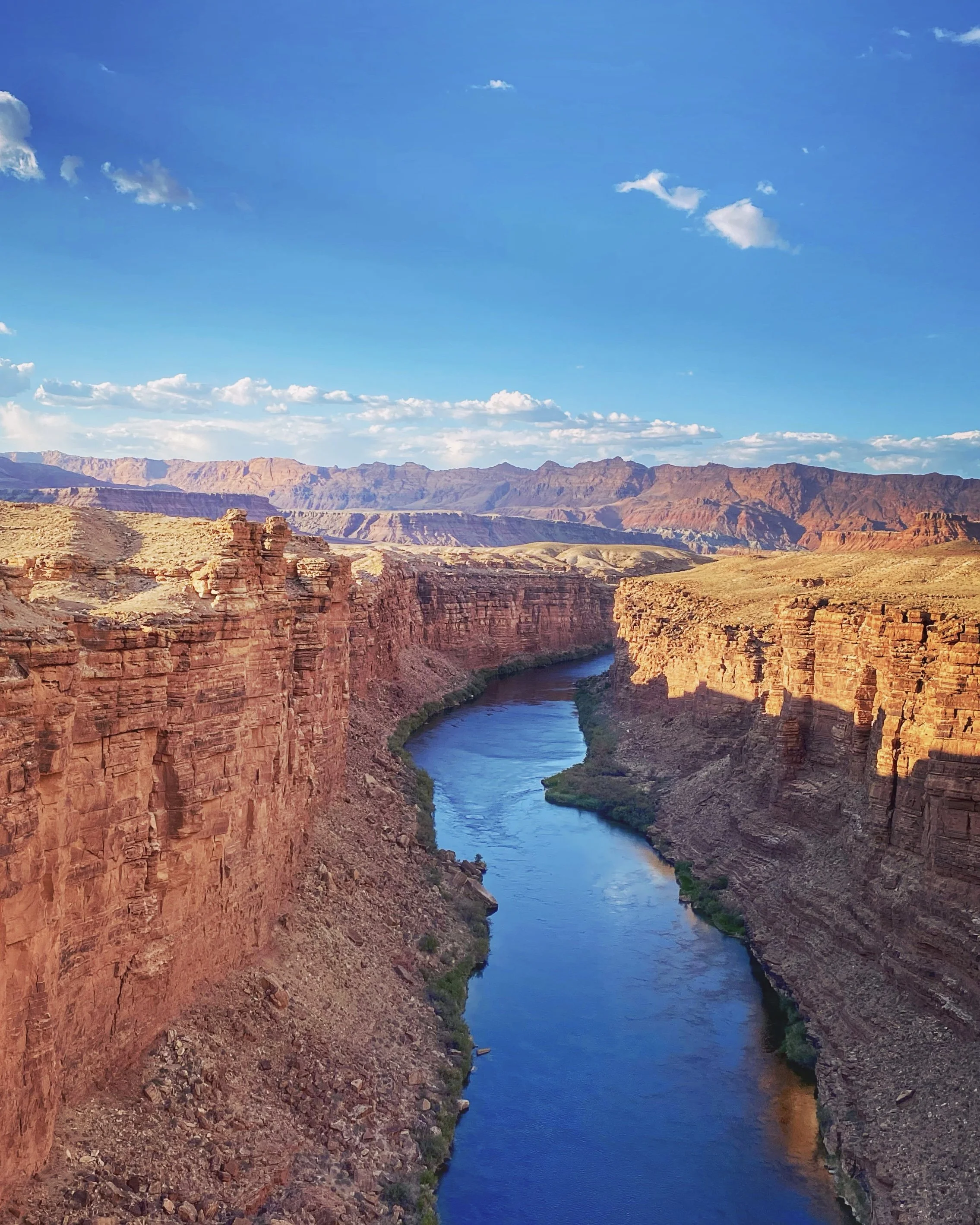
Navajo Bridge
Walk the pedestrian bridge and peer straight into Marble Canyon. The views are unmistakably Grand Canyon, and condors often perch just a few feet away. It’s one of the easiest ways to experience the canyon’s scale without hiking or driving into the main park.
Click here or the image below for map and details
Kayak the Colorado River through Glen Canyon
If you want jaw-dropping walls and quiet water, this 17-mile paddle is one of the most beautiful stretches of river in the United States. You’re upstream of the main Grand Canyon rafting launch, but the scenery feels just as grand. Many travelers call this the most peaceful way to experience canyon country.
Click here or the image below for map and details
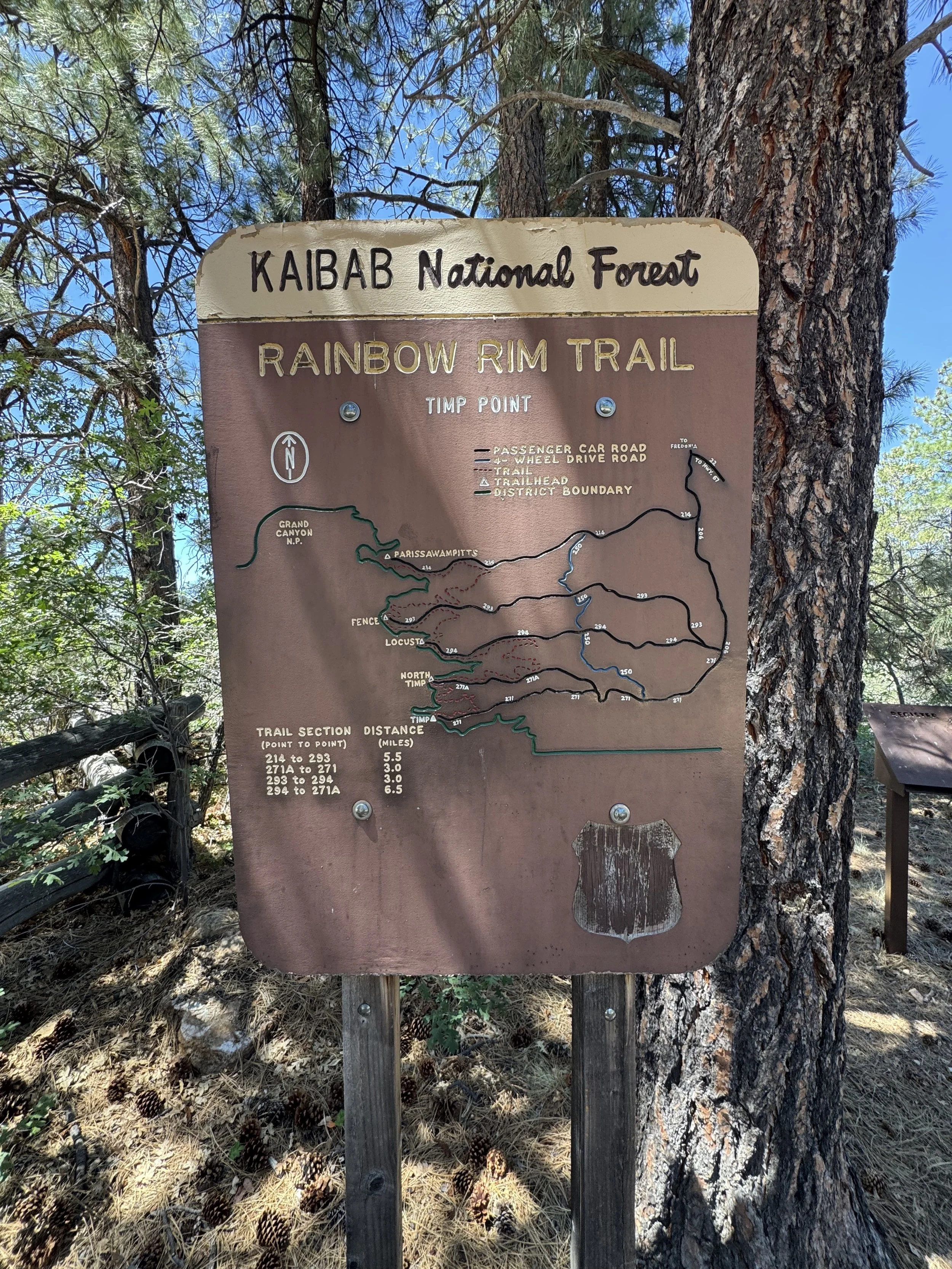
Rainbow Rim Trail
A remote North Rim experience without crowds. This 27.5-mile trail links five stunning viewpoints and moves through ponderosa forest, meadows, and aspen groves. Each overlook offers a different perspective of the canyon, and because it’s outside the fee gate, you can explore at your own pace. Note that winter access can be limited by snow.
Click here or the image below for map and details
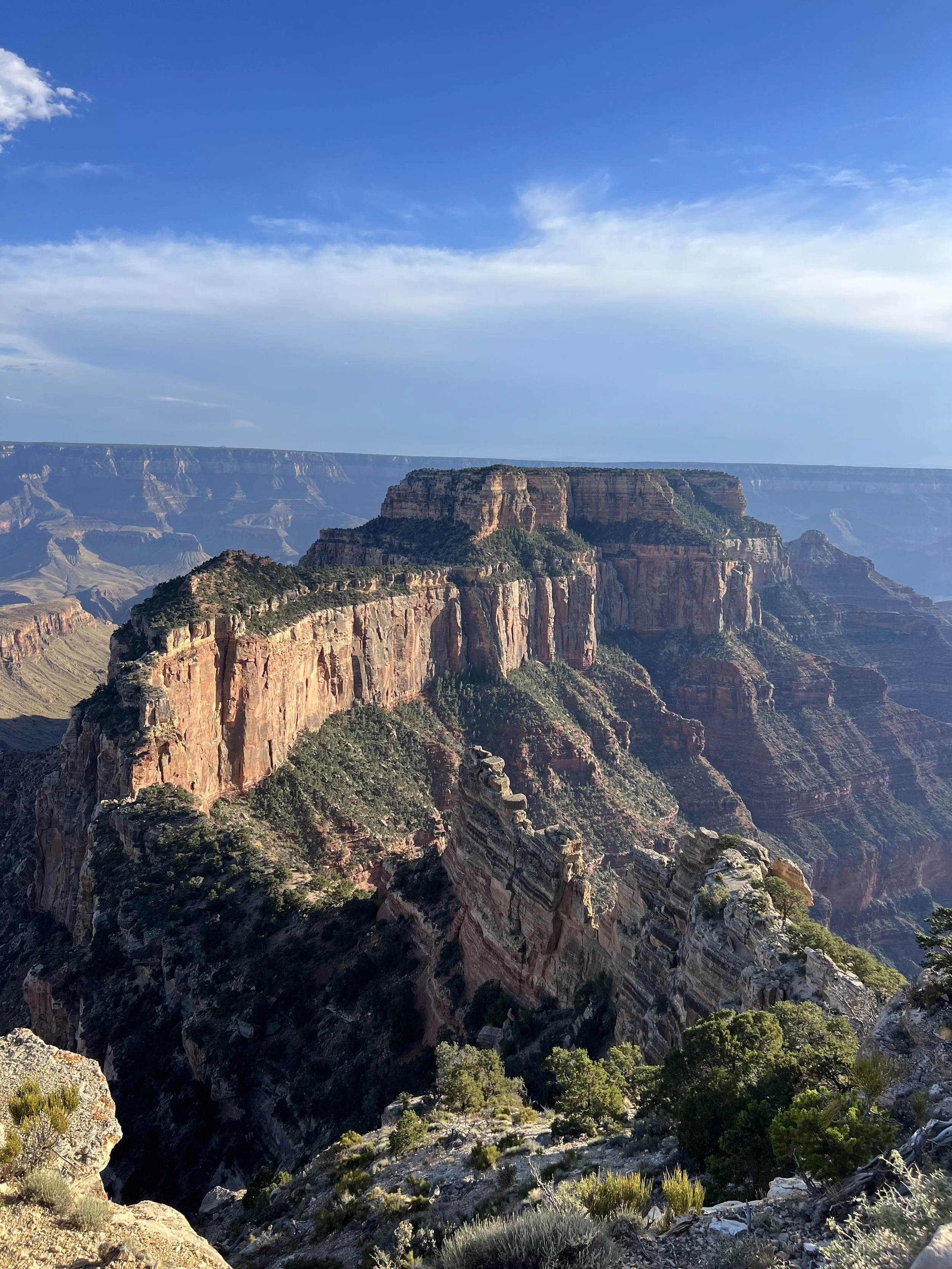
Bill Hall Trail
From the Bill Hall Trailhead, you can reach Monument Point in just two miles round trip, making it one of the easiest ways to get a sweeping Grand Canyon view. The longer backcountry routes take you to Thunder River, Tapeats Creek, and Deer Creek Narrows. Note that winter access can be limited by snow.


More Kanab-Area Favorites
Not every great landscape fits neatly into a dupe category. Some places are simply incredible in their own right and deserve a spot on any itinerary. These are close to Kanab, easy to reach, and showcase the region’s signature mix of color, curves, and wide-open desert.
We’ve rounded all of these into an AllTrails list so you can bookmark them, save offline maps, and plan your trip straight from your phone.
Whether you’re building a loop of Zion–Bryce–Grand Canyon or skipping high-fee areas entirely, Kanab gives you access to some of the most remarkable landscapes in the Southwest. These spots prove that the region’s beauty doesn’t end at park boundaries. You can experience the same magic, stay flexible, and keep your trip affordable, all while exploring the places locals love most.